
Planning a trip by stretcher
A guide for families and care coordinators preparing for a scheduled transfer between home, hospital and a receiving facility.
On this page
Choose the right type of transport
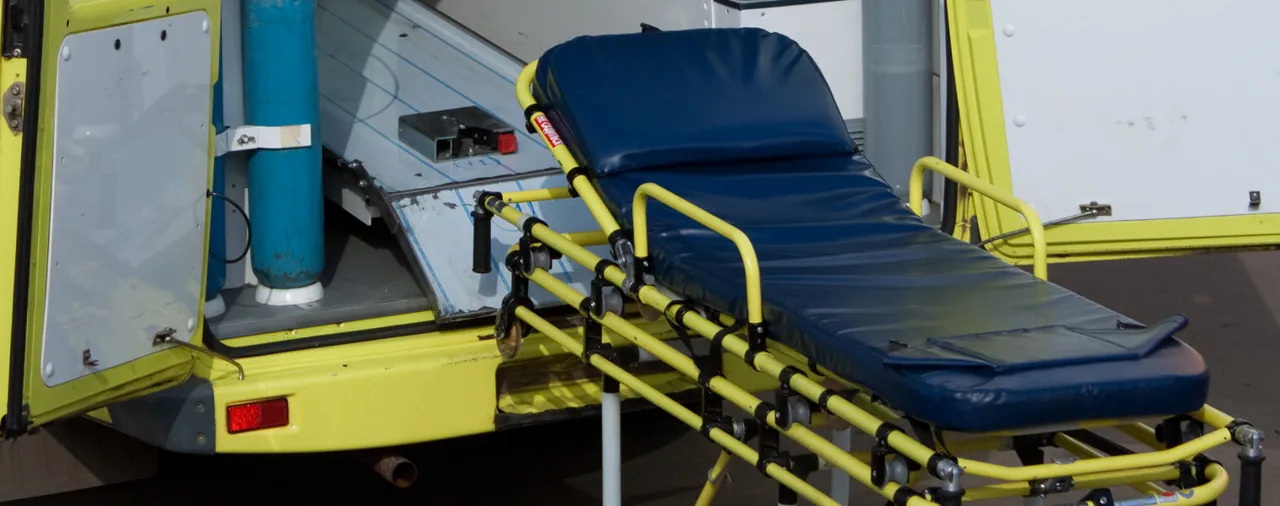
A stretcher makes it possible to travel lying down when sitting upright is unsuitable. Ask the treating team whether planned non-emergency transportation is appropriate and whether clinical monitoring is needed. For a medical emergency, call 911.
Walk through the route
Think beyond the drive. A transfer may involve a narrow doorway, stairs, an elevator, a long corridor and a receiving team at the other end. Describe equipment and access needs in advance so dispatch can confirm the vehicle and assistance.
Leaving an apartment or arriving at a private home
Walk the route from the curb to the room with someone who knows the home. Mention gates, sharp turns, narrow landings or an elevator far from the entrance. A single step inside the doorway can be easy to overlook from the street. Ask dispatch which measurements it needs before the travel day.
A facility-to-facility handoff
Ask the sending unit and receiving unit to identify one contact each. Confirm the receiving room or admissions entrance, any closing time and who will meet the vehicle. If admission is delayed after the trip is arranged, give dispatch the revised window so it can review the vehicle assignment with both facilities.
Agree on the handoff
Ask who will confirm discharge readiness, who will meet the vehicle and how to handle a delay. Review service charges before booking, give the rider time to ask questions and keep the dispatch phone number handy.